When Does Hail Season Start in Florida?
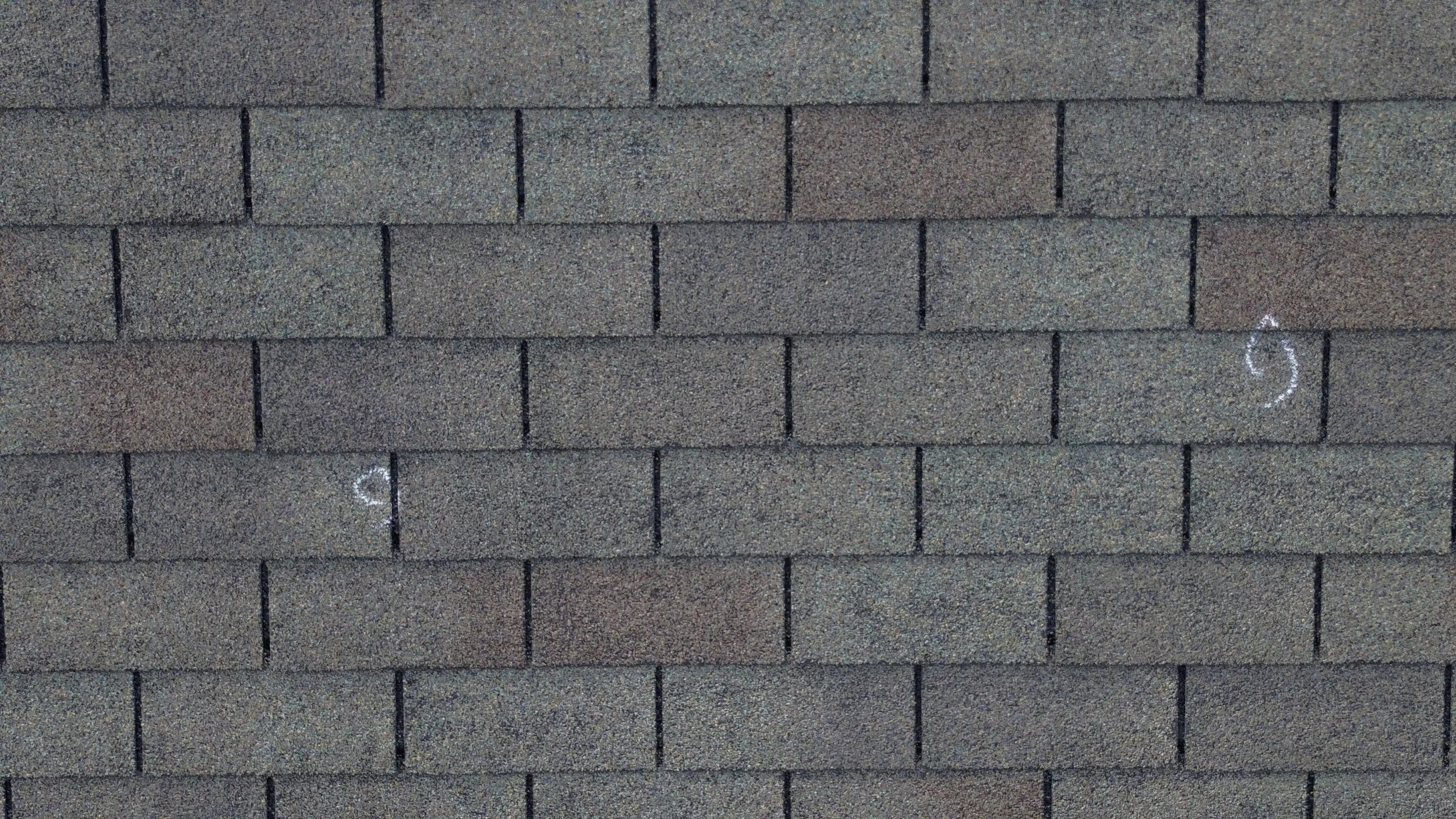
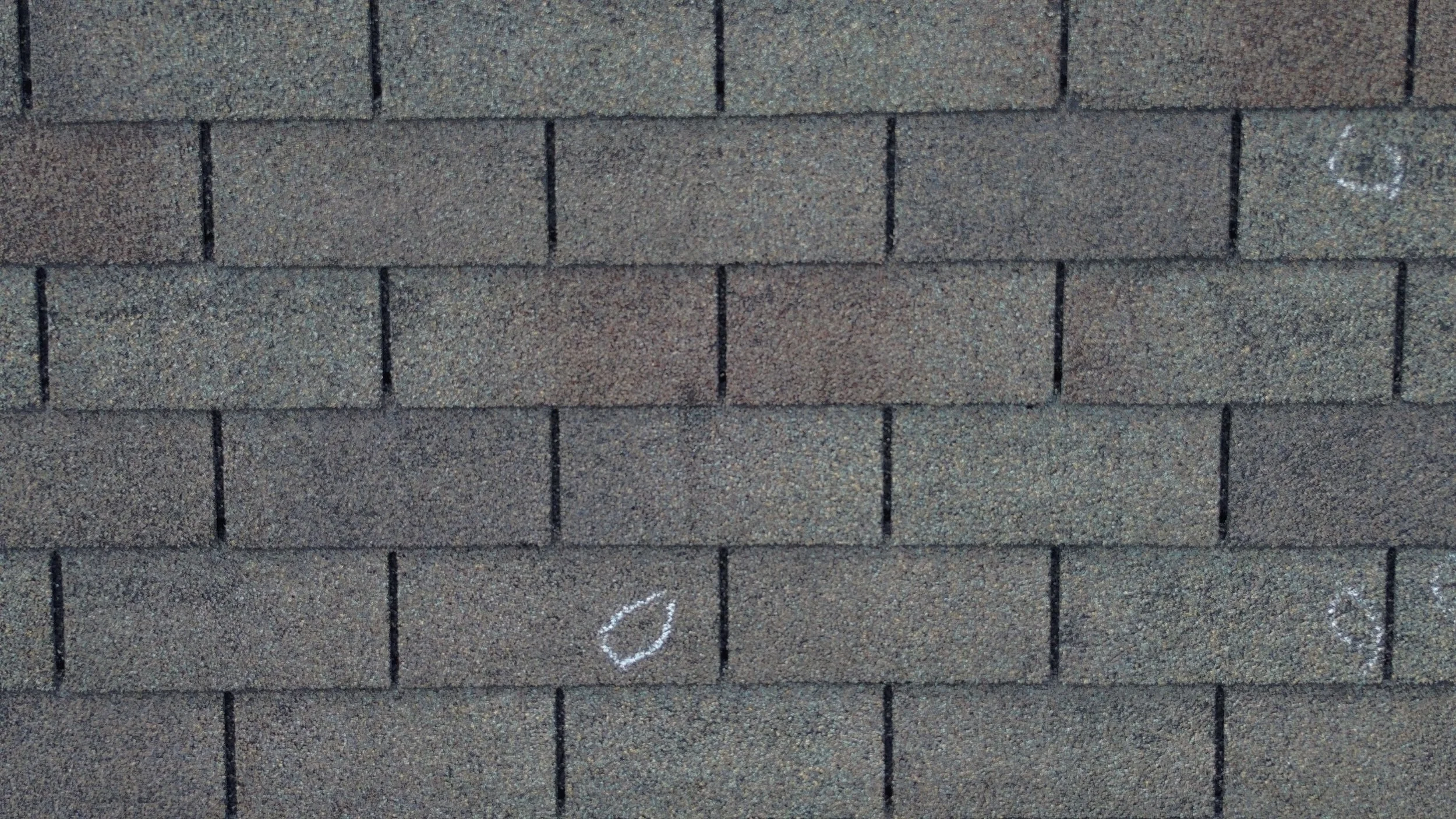
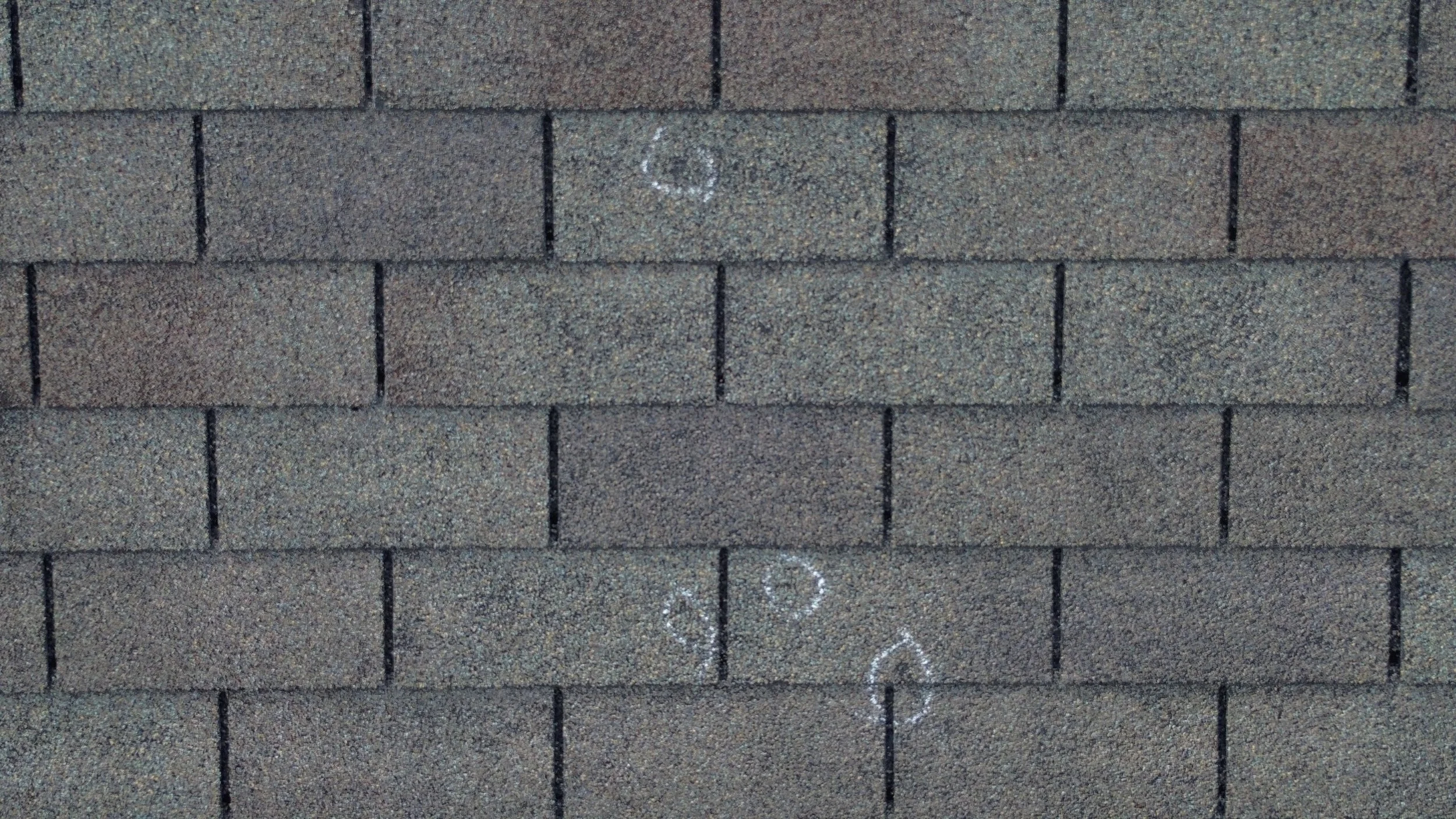
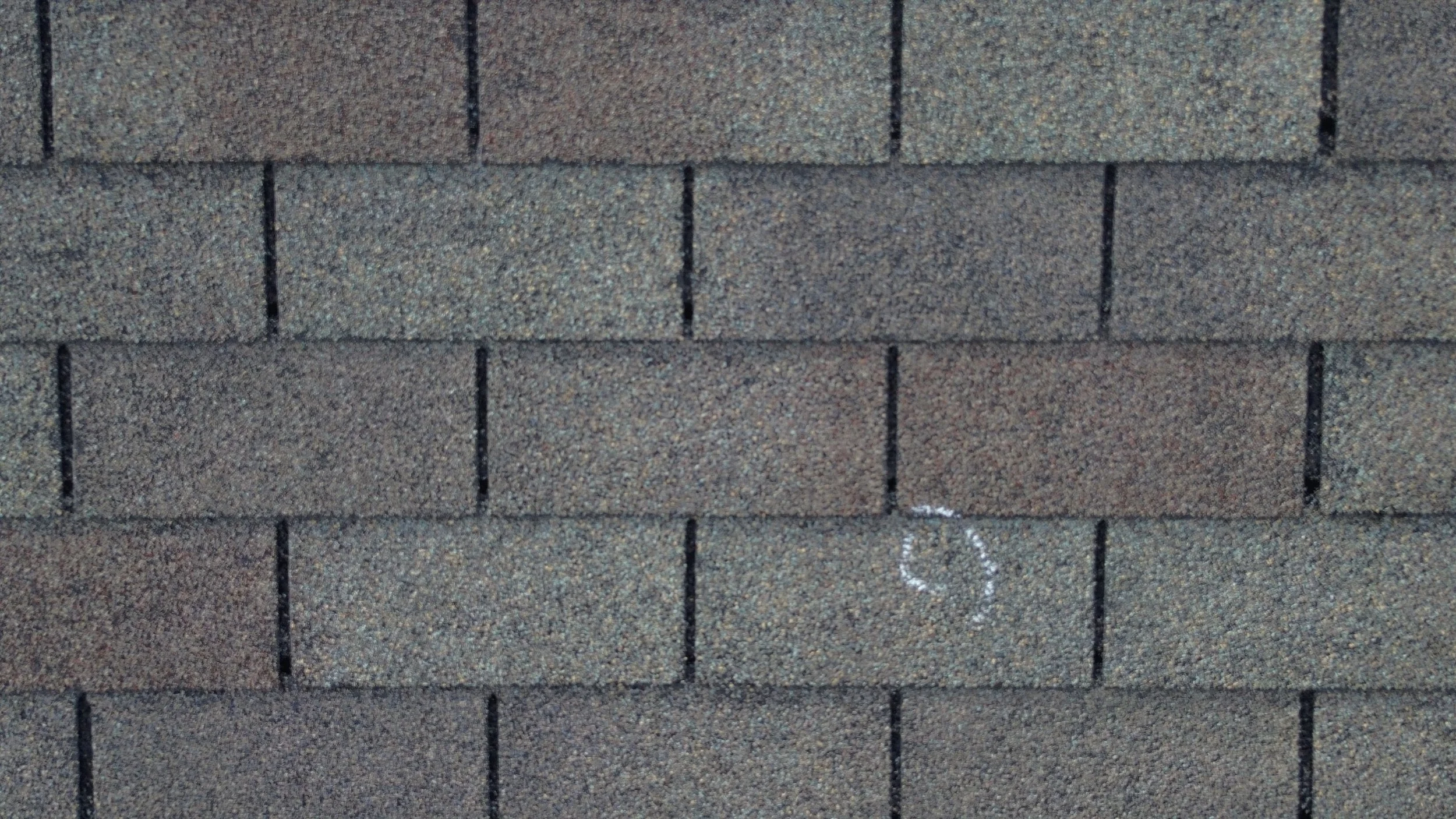
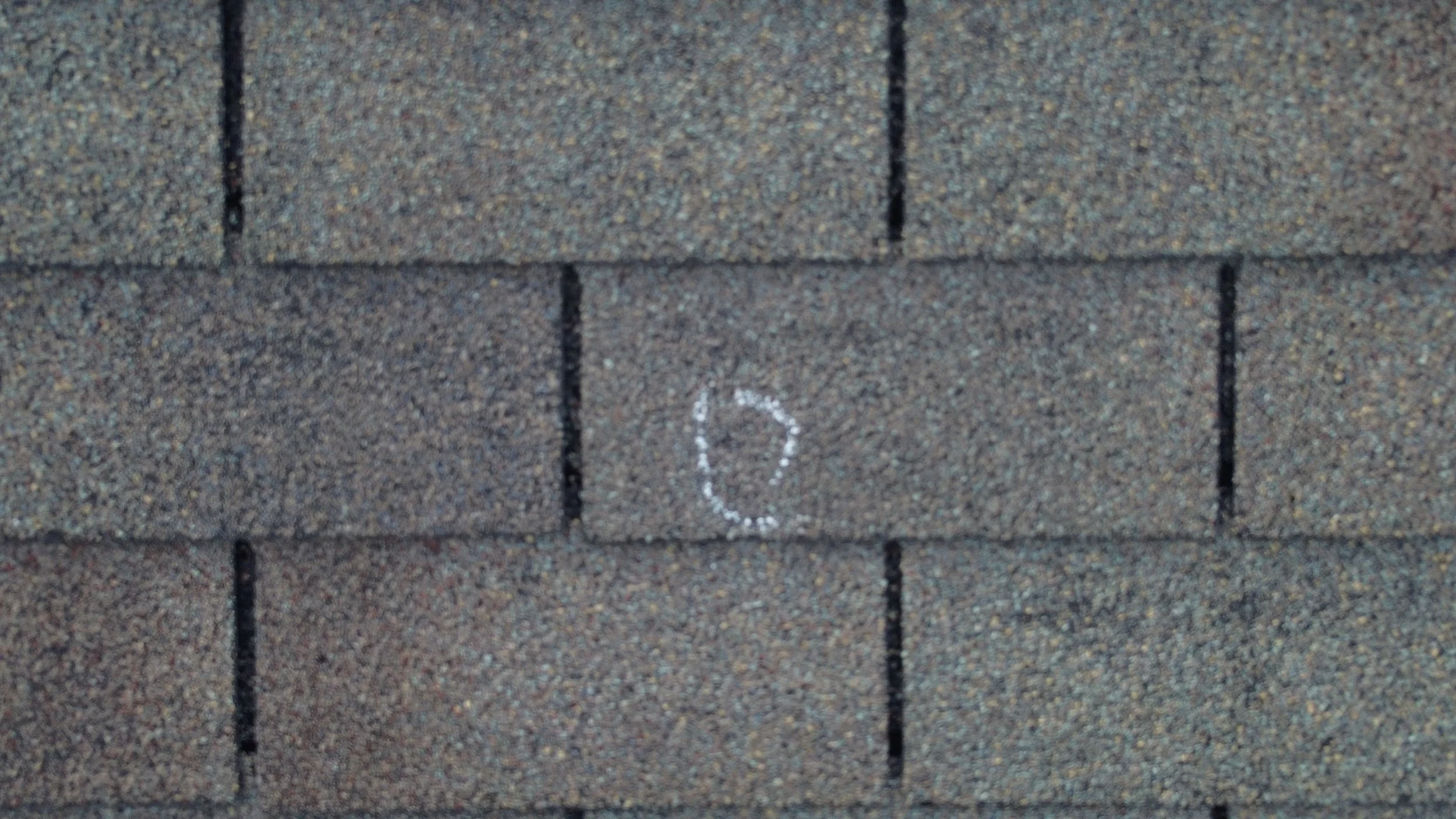
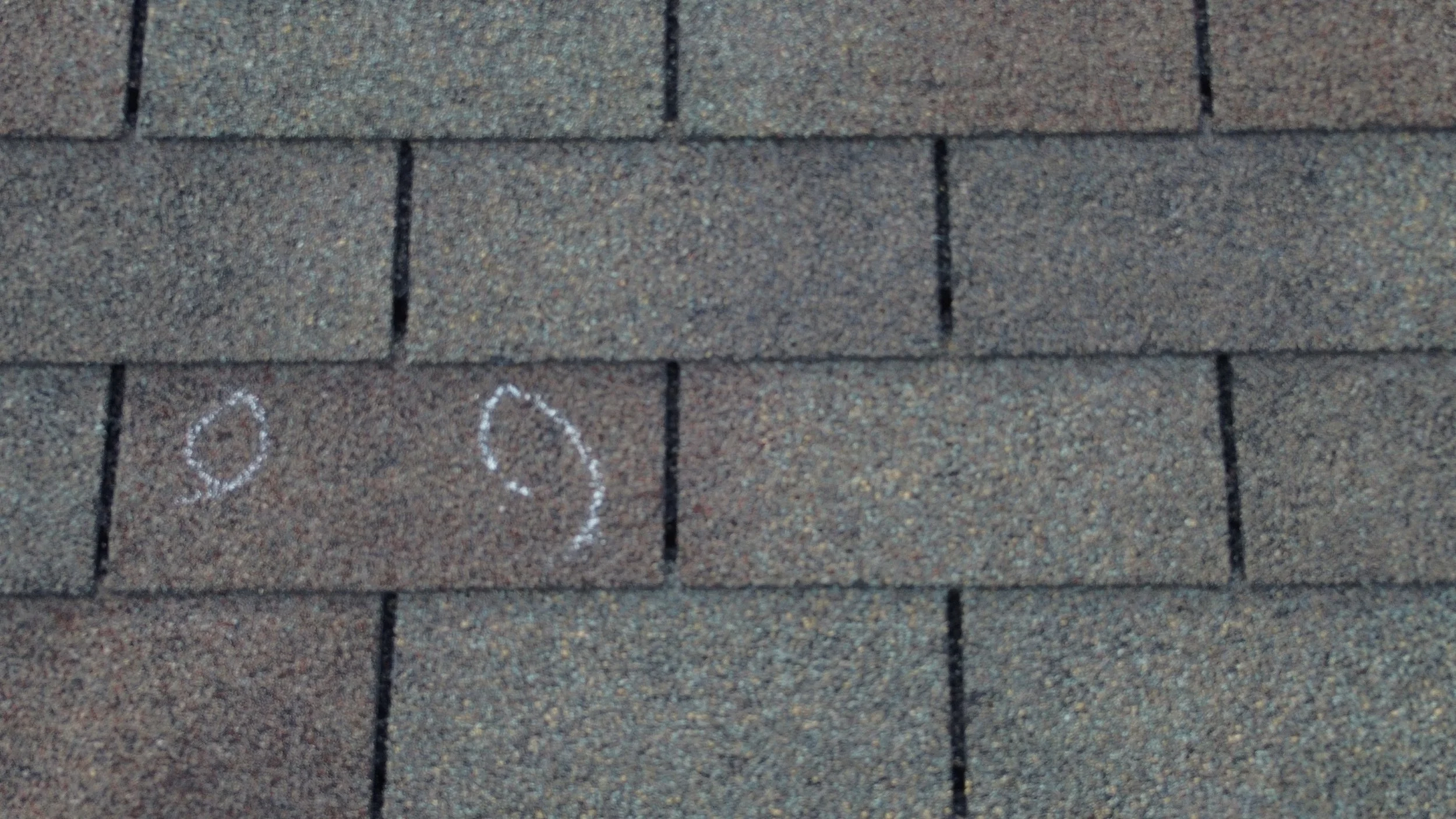
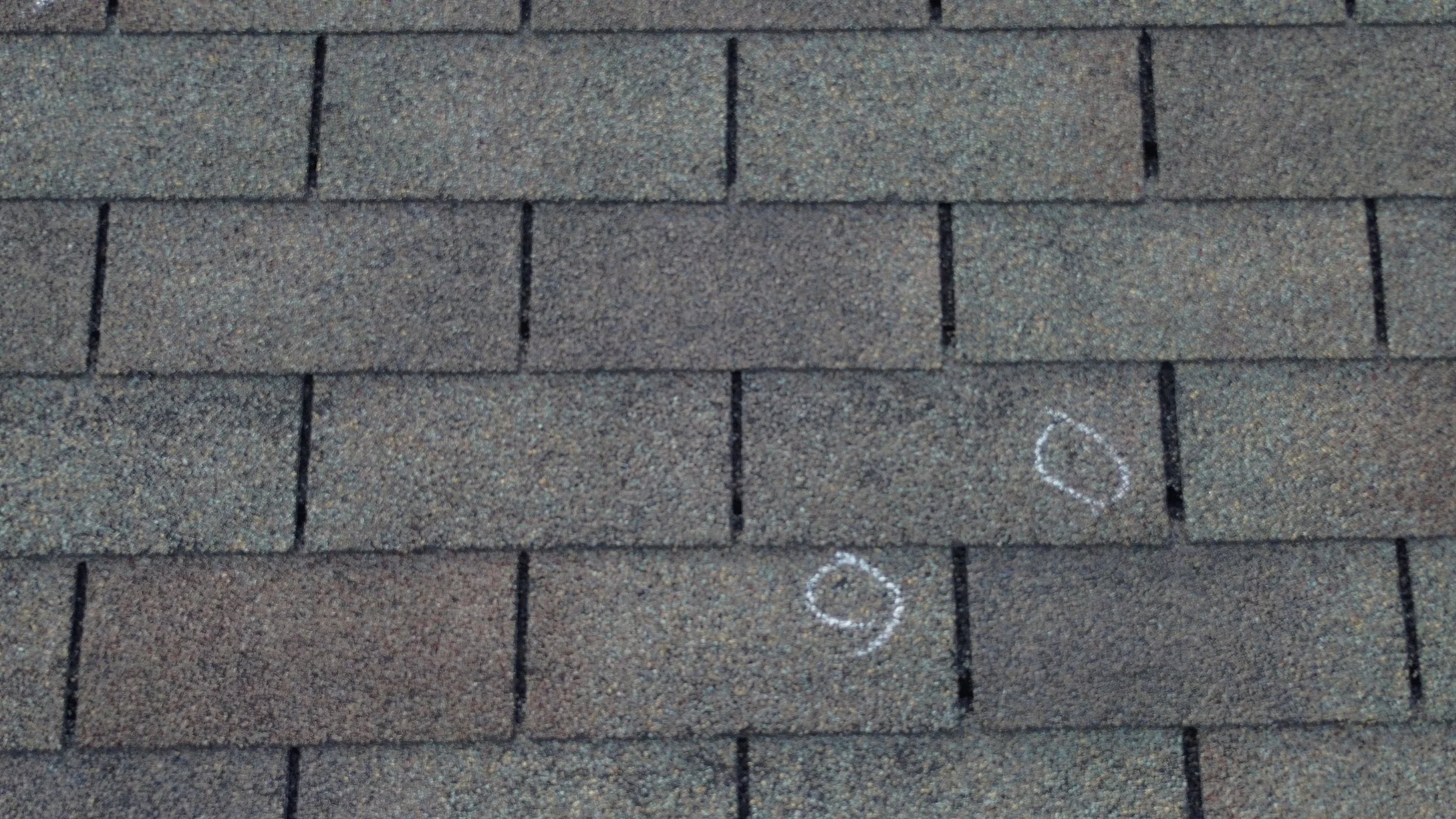
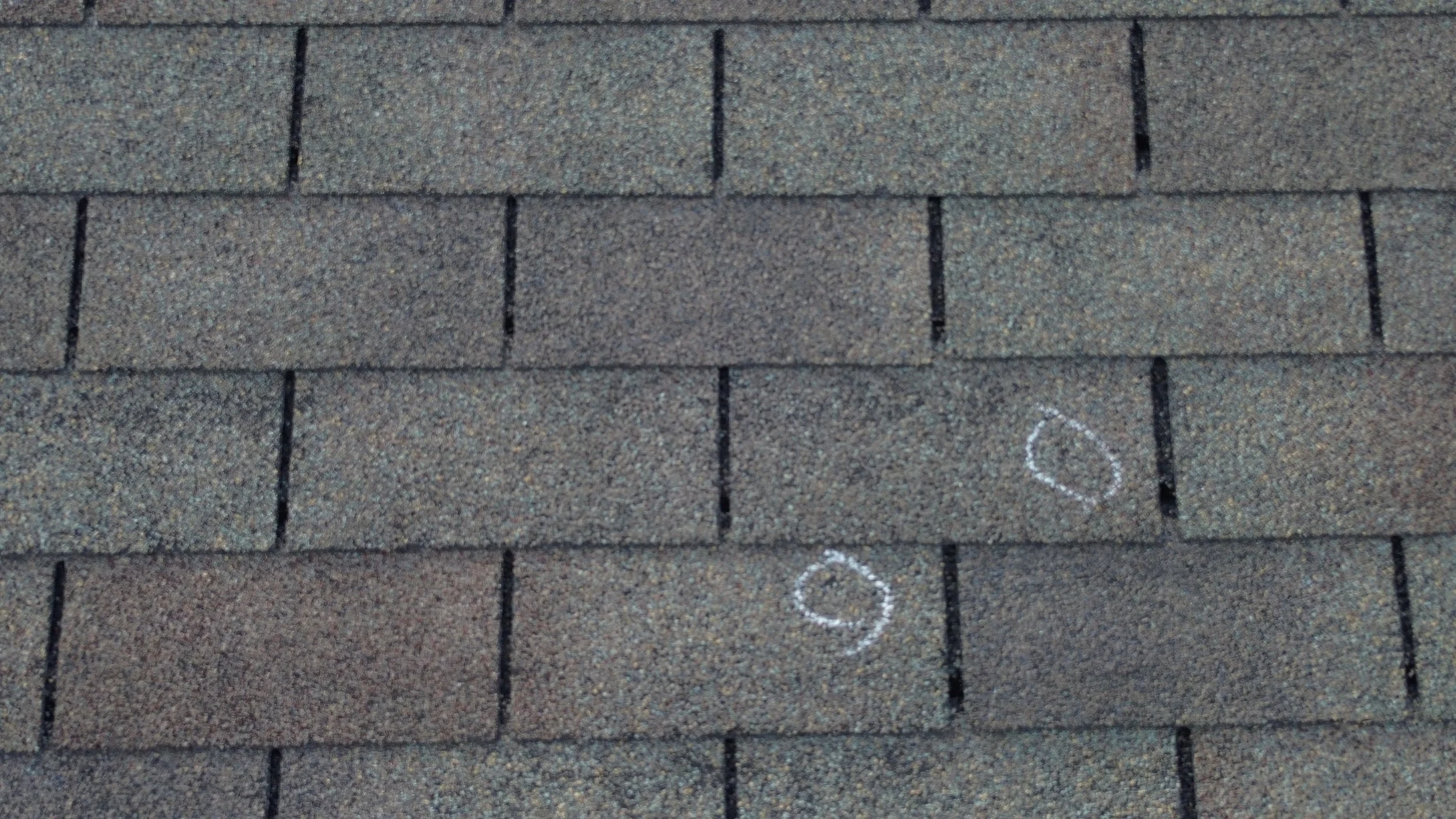
Unlike many states where hail is limited to spring or summer, Florida hail season often begins in February and can extend through late fall. This timing aligns with cold fronts colliding with warm, moist air — the perfect recipe for severe thunderstorms capable of producing hail.
Peak hail activity typically occurs:
February through May (early severe storm season)
Late summer storms associated with strong thunderstorm systems
Frontal systems during hurricane season, which can also produce hail bands
Central Florida, including areas like Orlando, Kissimmee, Lake Nona, Clermont, and surrounding regions, frequently experience hail-producing storms during these months.
How Hail Damages Your Roof
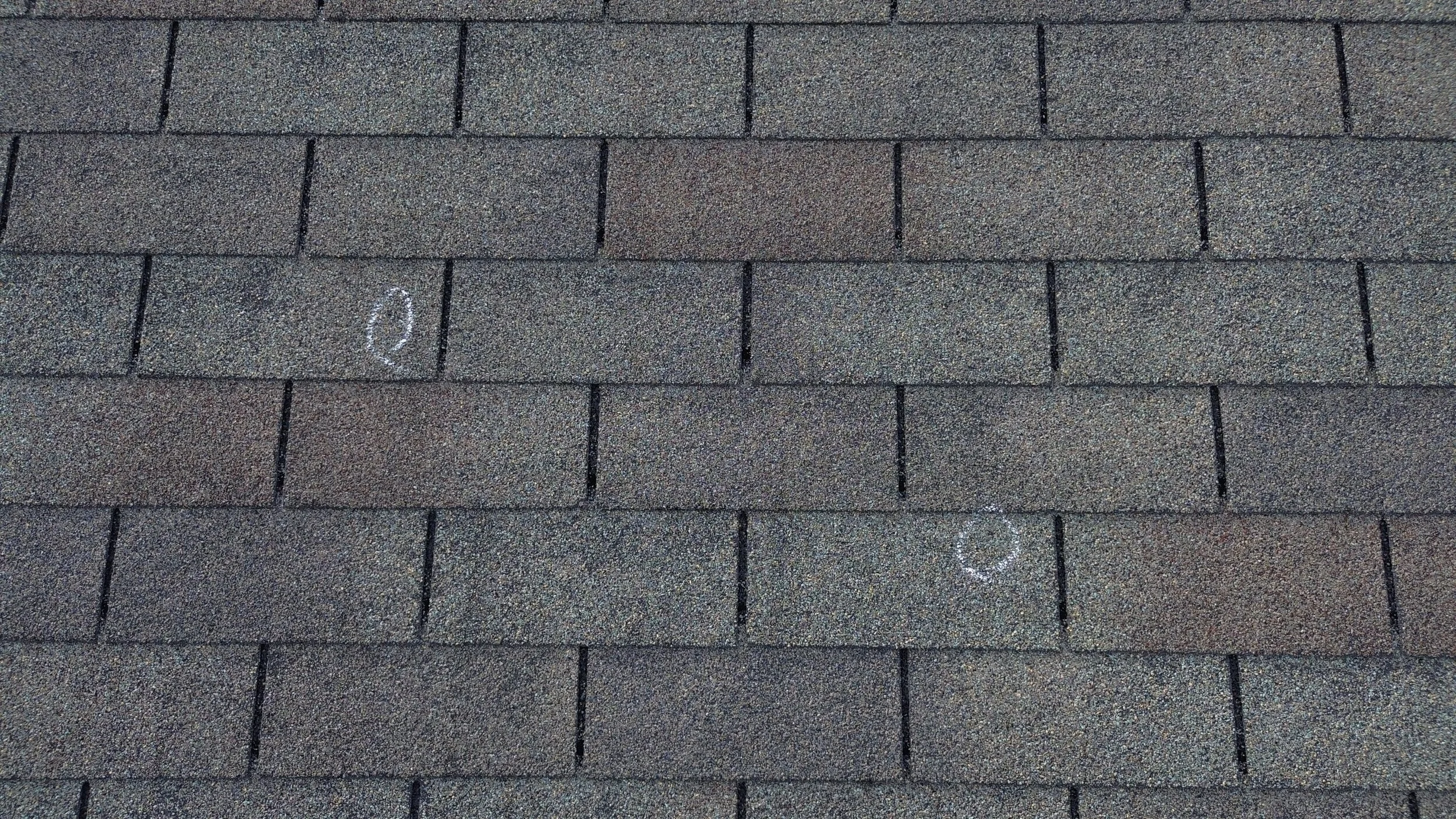
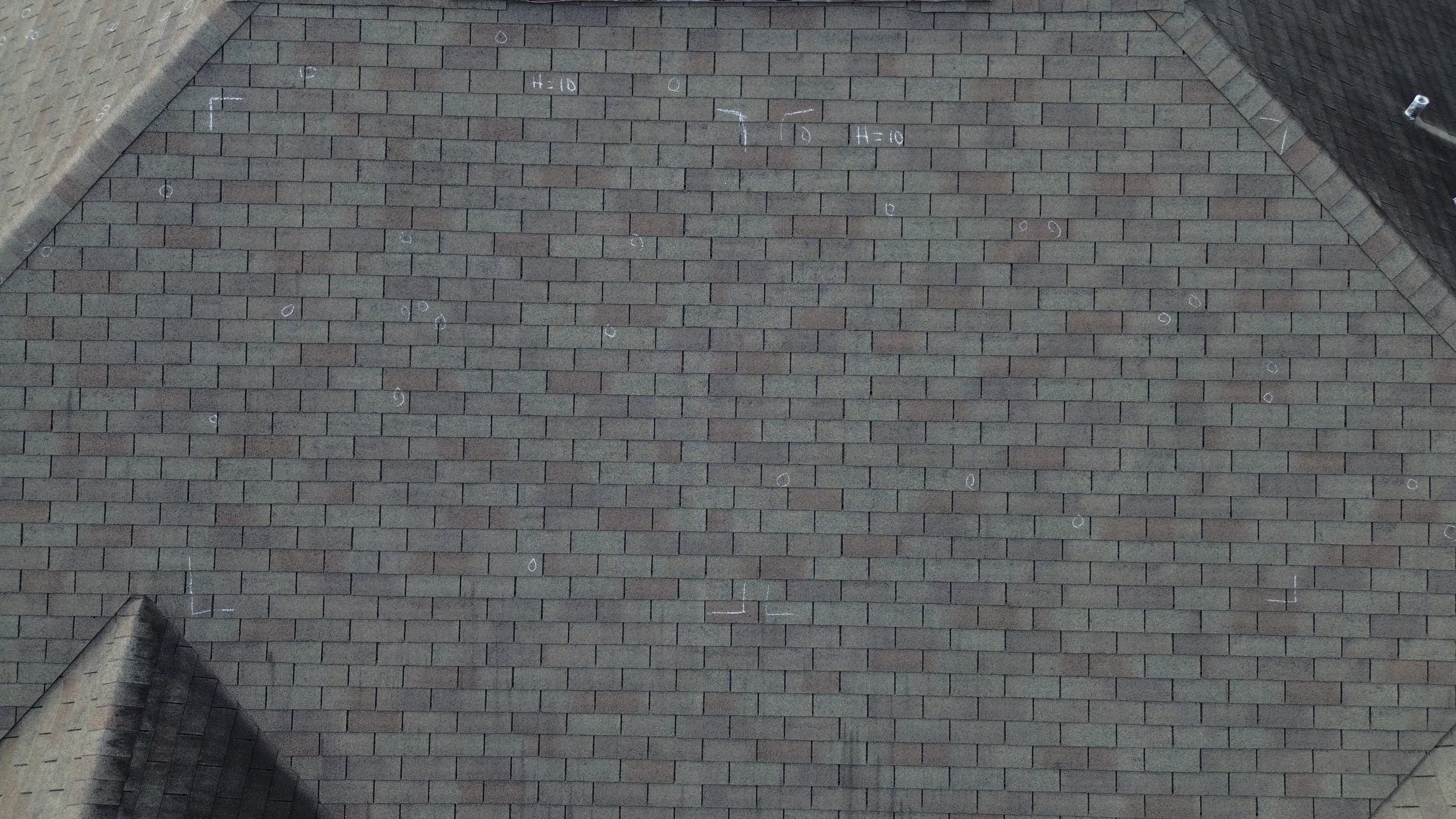
Hail can cause immediate and hidden damage, even if it doesn’t look severe from the ground. The size, density, and wind speed of hailstones all play a role in how much damage occurs.
Common types of hail-related roof damage include:
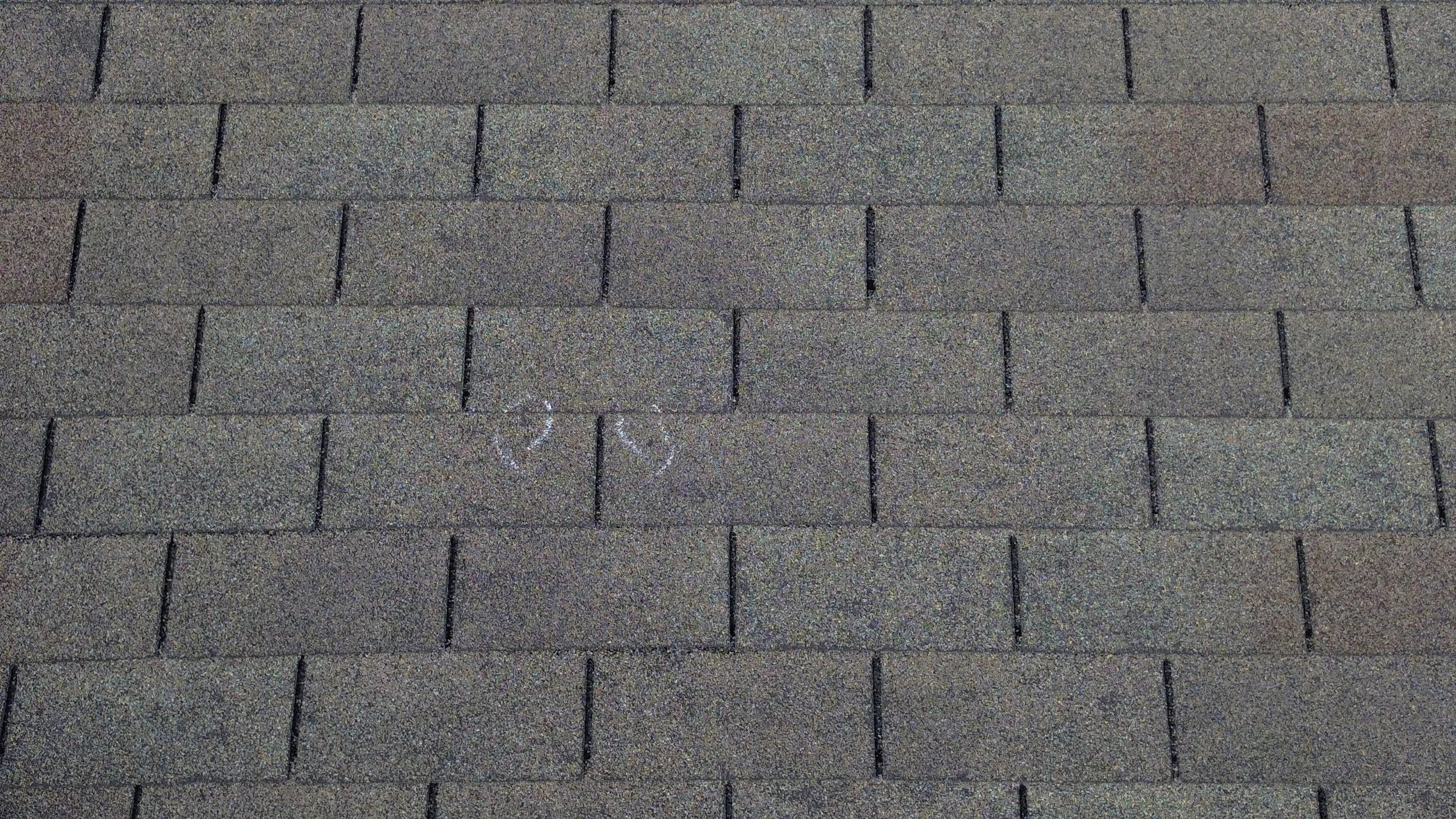
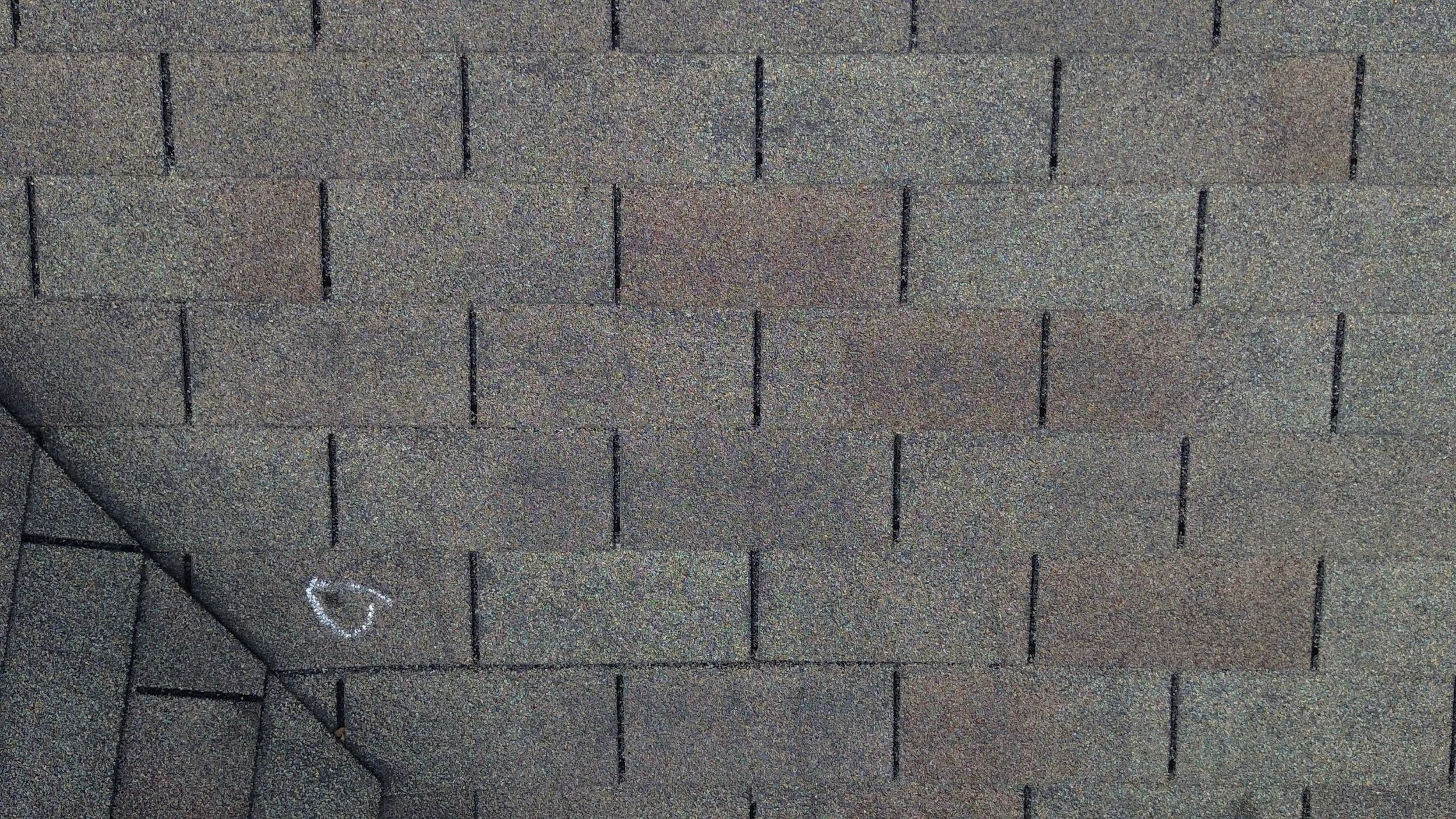
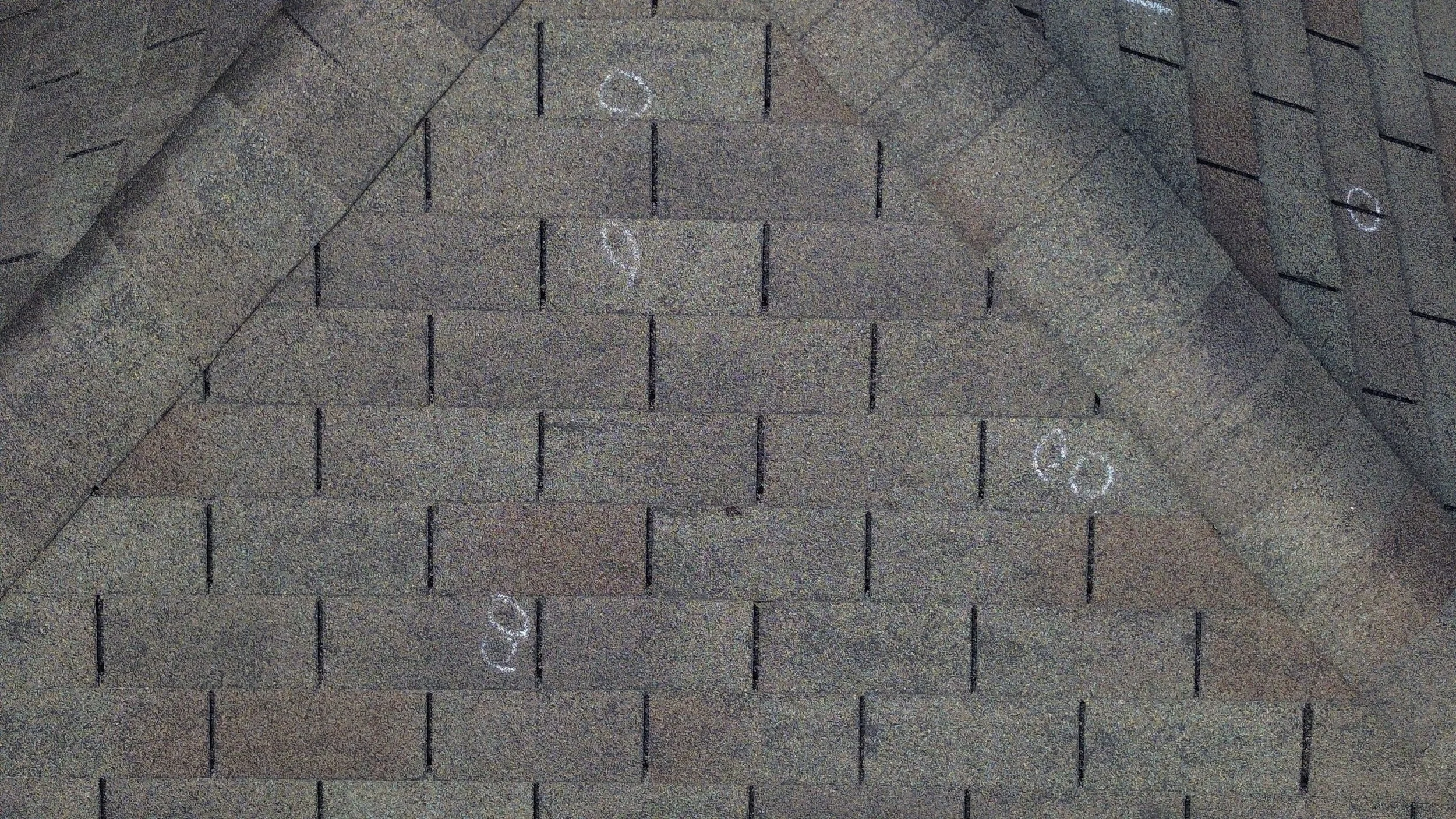
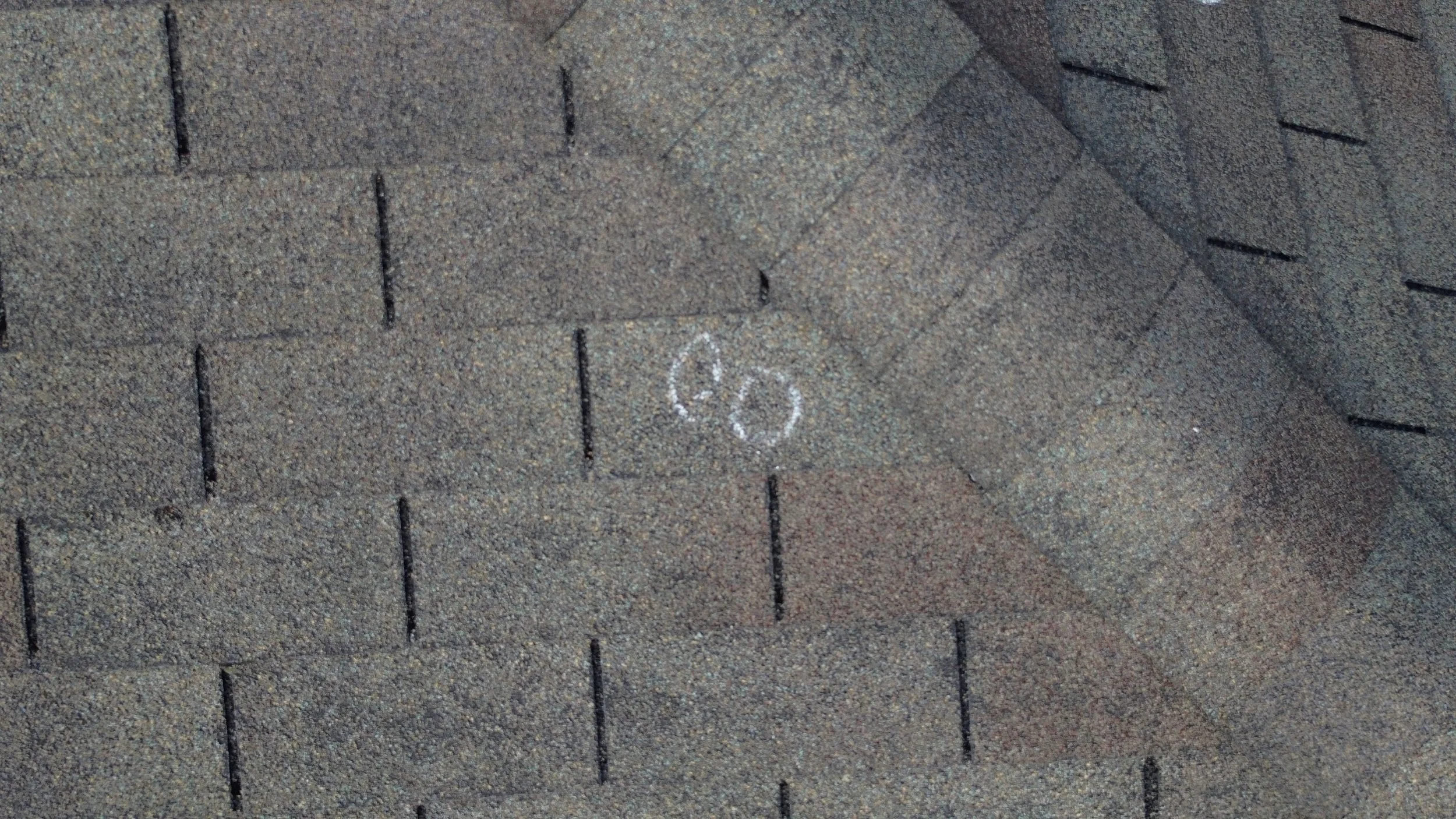
Granule loss on asphalt shingles, which exposes the roof to UV damage
Bruising or cracking of shingles, weakening their ability to shed water
Dented metal roofing and flashing
Cracked or broken tiles on tile roofs
Damaged roof vents, skylights, and gutters
Even small hailstones can shorten the lifespan of your roof if the damage goes unnoticed.
Signs You May Have Hail Damage
Many homeowners don’t realize their roof has been compromised until leaks appear — sometimes months later. After a hailstorm, watch for these warning signs:
Bald or dark spots on shingles
Soft or spongy areas when gently pressed (professional inspection only)
Cracked, chipped, or displaced tiles
Dents in gutters, downspouts, or metal flashing
Water stains on ceilings or attic insulation
If your neighborhood experienced hail, your roof should be inspected even if you don’t see obvious damage.
Why Early Inspections Matter
Hail damage can weaken your roof long before leaks form. Catching issues early can:
Prevent interior water damage
Extend the life of your roofing system
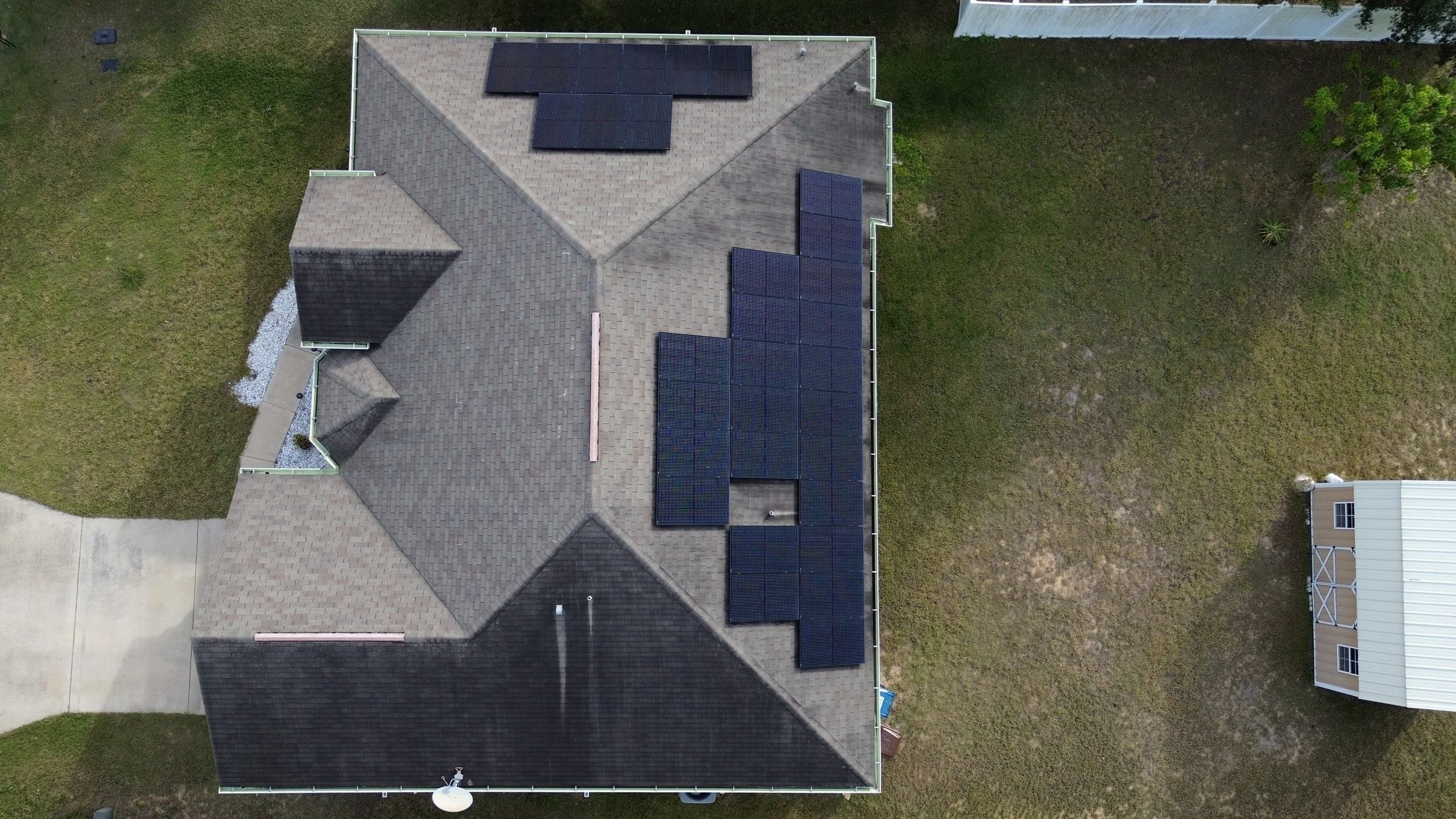
Strengthen insurance claims with proper documentation
Reduce out-of-pocket repair costs
Insurance companies often have strict deadlines for storm-related claims, making prompt inspections especially important after Florida hail events.
Schedule a Free Hail Damage Roof Inspection
If your home or business was hit by a storm this season — especially anytime starting in February — it’s critical to have your roof professionally inspected. Hail damage isn’t always visible, but it can have long-term consequences if ignored.
Call today to schedule a FREE hail damage roof inspection.
We’ll assess your roof, document any storm damage, and help guide you through the next steps to protect your property and your investment.
Don’t wait until a small hail issue turns into a major roof failure — Florida hail season starts early, and preparation makes all the difference.