Wind-Based Shingle Damage in Kissimmee: What Homeowners Need to Know
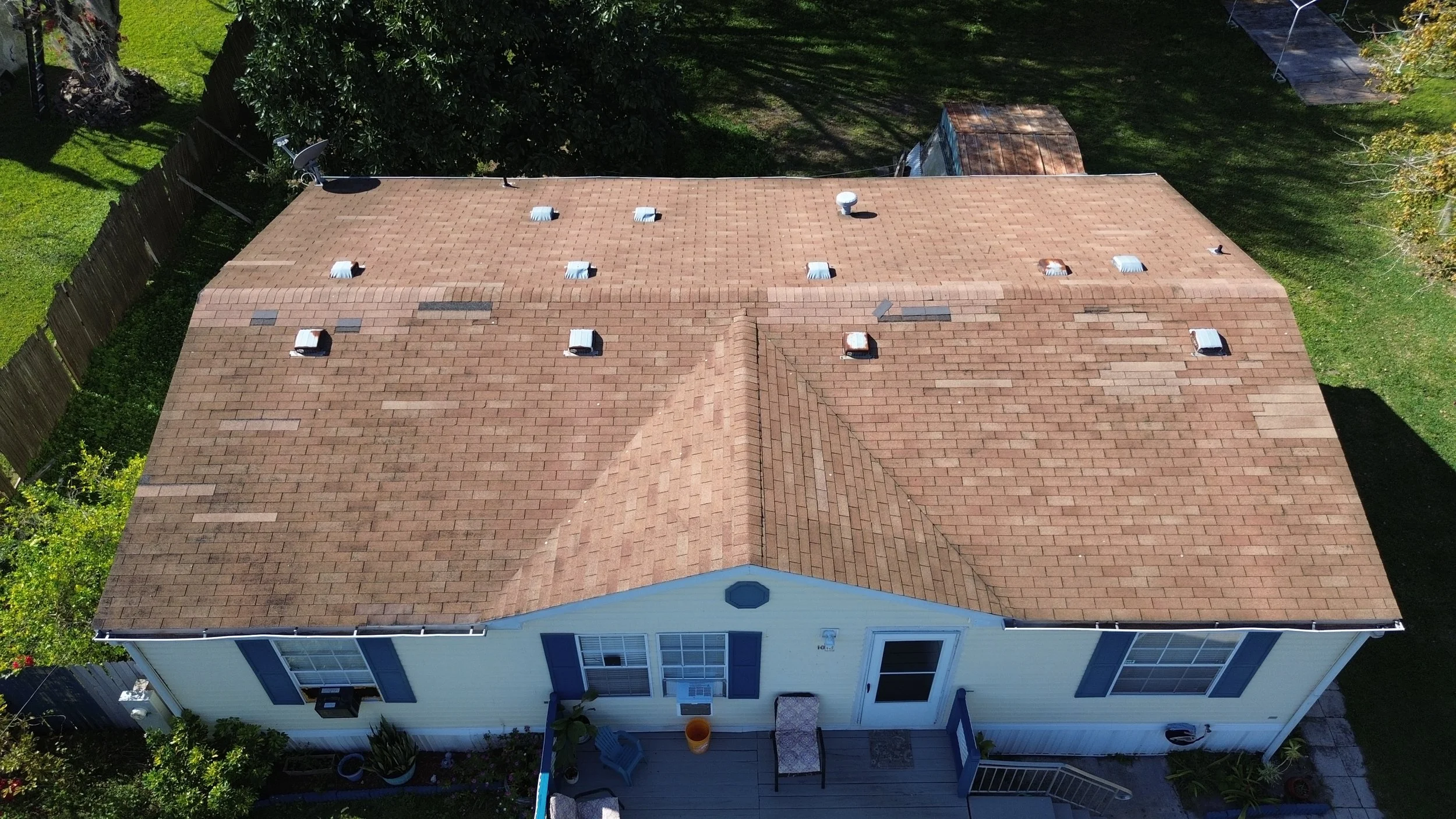
Kissimmee homeowners know that Florida weather isn’t just about sunshine and theme parks. Between strong thunderstorms, tropical systems, and hurricane-season wind events, your roof takes a beating year after year. One of the most common roofing issues in Central Florida is wind-based shingle damage—and if left untreated, it can quickly lead to leaks, mold, and costly structural repairs.
In this guide, we’ll break down:
How wind damages asphalt shingles
The 3-tab shingle roofing system
What “peel and stick” roofing underlayment means
Why Kissimmee homes are especially vulnerable
What to look for after a storm
What Does “3-Tab” Mean?
Each shingle strip has three evenly spaced cutouts (tabs), creating the appearance of three separate shingles once installed.
Key Characteristics:
Flat, uniform appearance
Lightweight design
Lower upfront cost
Typically rated for 60–70 mph winds (older systems may be less)
Lifespan of 15–25 years in Florida conditions
Why 3-Tab Shingles Are Vulnerable in High Winds
Compared to architectural (dimensional) shingles:
They are thinner
They have less weight
They rely heavily on adhesive strips
They have fewer wind resistance features
In high-wind areas like Kissimmee, 3-tab shingles are more likely to lift or blow off during severe storms.
What Is Peel and Stick Underlayment?
Peel and stick refers to a self-adhering waterproof roofing underlayment installed beneath shingles.
Instead of using traditional felt paper that is nailed down, peel and stick membranes:
Adhere directly to the roof decking
Create a waterproof barrier
Seal around nails
Provide secondary protection if shingles fail
Why It Matters in Florida
Florida building codes often require enhanced underlayment systems due to hurricane risks. If wind blows off shingles, peel and stick helps prevent immediate interior water damage.
However, peel and stick is not designed to be exposed long-term. If shingles are missing, repairs should happen quickly.
Signs of Wind Damage on a Kissimmee Roof
After a storm, look for:
Missing shingles
Curling or lifted tabs
Creased shingles
Granules in gutters
Debris impact marks
Water stains on ceilings
Even if your roof “looks fine” from the ground, hidden damage can exist.
Why Fast Repairs Matter
In Kissimmee’s humid climate, even small roof leaks can quickly lead to:
Mold growth
Insulation damage
Wood rot
Higher energy bills
Insurance claim complications
The longer wind damage goes unrepaired, the more expensive the fix becomes.
Insurance and Wind Damage in Kissimmee
Many Florida homeowner policies cover wind damage, but:
Claims must be filed promptly
Documentation is critical
Inspections may be required
Professional roof inspections after major storms help identify whether damage qualifies for insurance coverage.
Upgrade Considerations: Is It Time to Replace 3-Tab Shingles?
If your home still has a 3-tab shingle roof and it’s over 15 years old, you may want to consider upgrading to:
Architectural (dimensional) shingles
High-wind-rated systems (110–130+ mph)
Enhanced underlayment systems
Full peel-and-stick secondary water barriers
Upgraded roofing systems provide better durability for Kissimmee’s storm-prone climate.
Protecting Your Kissimmee Home from Wind Damage
Here are proactive steps homeowners can take:
Schedule annual roof inspections
Trim overhanging tree branches
Ensure proper attic ventilation
Replace aging shingles
Confirm your underlayment meets Florida code
Preventative maintenance is far less expensive than emergency roof replacement.
Final Thoughts
Wind-based shingle damage is one of the most common roofing problems in Kissimmee, Florida. Homes with older 3-tab shingle systems are particularly vulnerable during strong thunderstorms and hurricane season.
Understanding how your roof system works—including shingles and peel-and-stick underlayment—can help you make informed decisions about maintenance, repairs, and upgrades.
If you suspect wind damage, act quickly. Early detection can save thousands in repairs and protect your home from long-term structural issues.